

Sensory Processing In Autism And ADHD: A Guide For Parents
Sensory processing describes how the brain receives and responds to information from the body and environment. For some children with Autism or ADHD, everyday sensations such as noise, light, clothing, movement or food textures can feel unusually intense, difficult to notice or important to seek out.
These differences can affect concentration, behaviour, emotional regulation, eating, sleep and school life. They can also be misunderstood. A child covering their ears may be overwhelmed by sound, while a child who constantly moves may be seeking input that helps them regulate.
Understanding what may be behind a child’s behaviour can help parents respond more effectively.
How Are Sensory Issues Linked To Autism And ADHD?
Sensory differences are commonly associated with Autism and can form part of an autistic child’s wider presentation.
Children with ADHD may also experience sensory sensitivity, sensory seeking, avoidance or difficulty noticing certain sensations.
However, sensory difficulties alone do not confirm Autism or ADHD. They need to be considered alongside a child’s wider development, including communication, social interaction, attention, behaviour and emotional regulation.
The same outward behaviour can also have different causes, which is why looking at the whole child is important.
What Can Sensory Processing Differences Look Like?
A child may be particularly sensitive to some sensations, notice others less readily or actively seek particular sensory experiences.
You might notice a child:
- covering their ears around hand dryers, alarms or crowds
- avoiding clothes because of seams, labels or fabrics
- refusing foods because of their texture or smell
- constantly jumping, climbing or spinning
- seeking firm pressure or tight hugs
- chewing clothing or objects
- appearing not to notice minor injuries
- struggling to recognise hunger, thirst or needing the toilet
These responses may vary according to the situation. A child who manages a noisy environment one day may find it much harder when tired, anxious or already dealing with several demands.
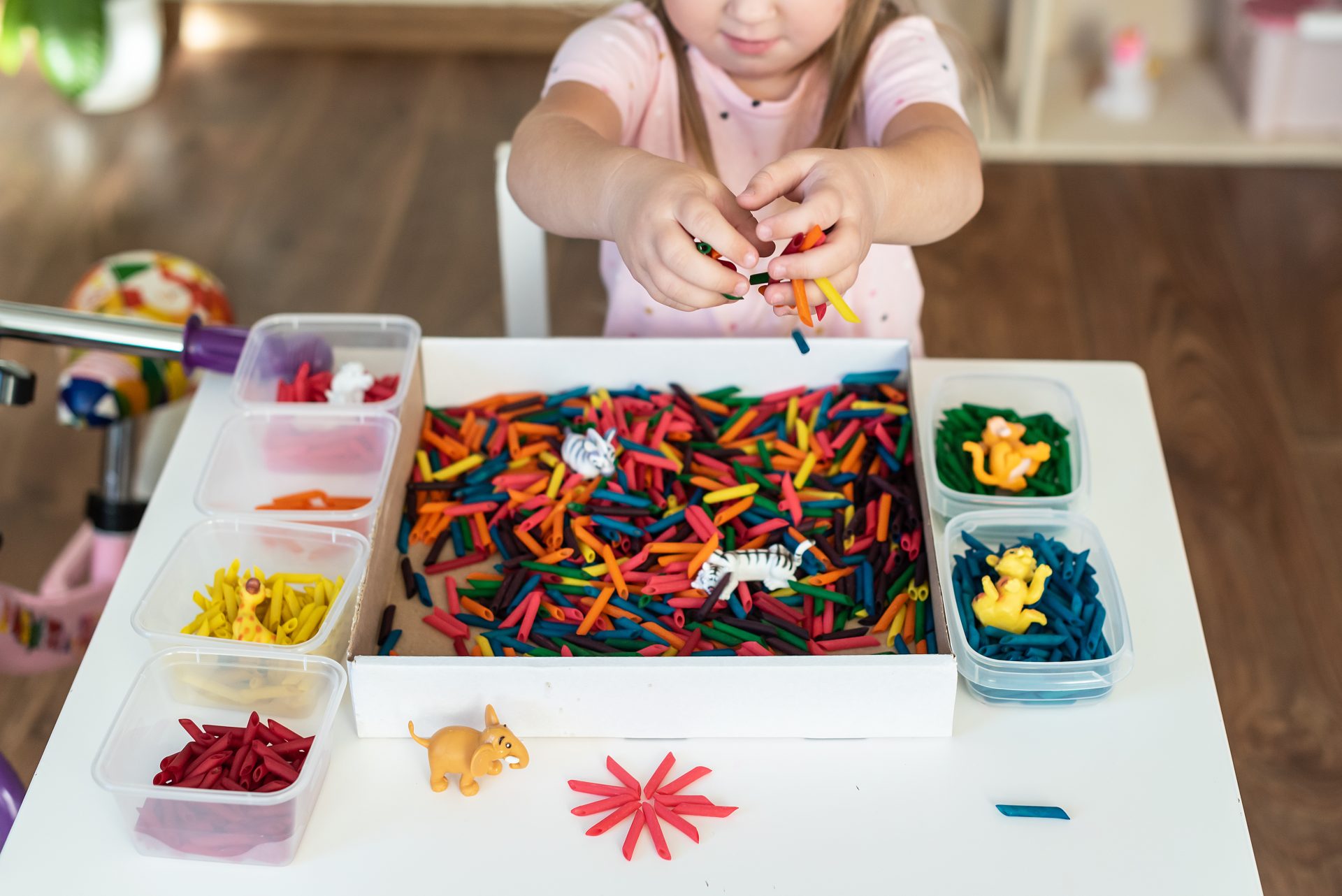
The Main Types Of Sensory Response
A child can experience several types of sensory response at the same time.
Sensory Sensitivity
Some children experience sensory information very strongly.
Ordinary sounds can seem extremely loud. Certain clothes may feel uncomfortable. Busy environments can contain too much noise, movement, light and visual information to process comfortably.
This may lead a child to avoid loud places, certain foods, haircuts, toothbrushing, bright lighting or particular fabrics.
What looks like refusal can sometimes be a response to genuine sensory discomfort.
Reduced Sensory Registration
Other children may notice sensory information less readily.
They may need repeated prompts, seem unaware when their hands are dirty, have difficulty noticing temperature changes or miss signals such as hunger or needing the toilet.
This does not necessarily mean the child cannot feel the sensation. They may simply register or prioritise it differently.
Sensory Seeking
Some children actively seek particular sensations. They may jump, spin, touch objects, chew clothing, enjoy strong pressure or constantly look for movement.
Sensory seeking can sometimes resemble hyperactivity.
Rather than focusing only on stopping the behaviour, it can be useful to consider what the behaviour may be helping the child achieve.
Sensory Processing Goes Beyond The Five Familiar Senses
Sight, sound, smell, taste and touch are only part of sensory processing.
The vestibular system provides information about balance and movement. Some children seek spinning, swinging and running, while others may find movement uncomfortable.
Proprioception helps us understand where our body is in space. Children may seek this input through jumping, climbing, pushing or squeezing.
Interoception involves internal signals such as hunger, thirst, tiredness, pain and needing the toilet.
A child who finds these signals difficult to interpret may recognise that something feels wrong without understanding exactly what they need.
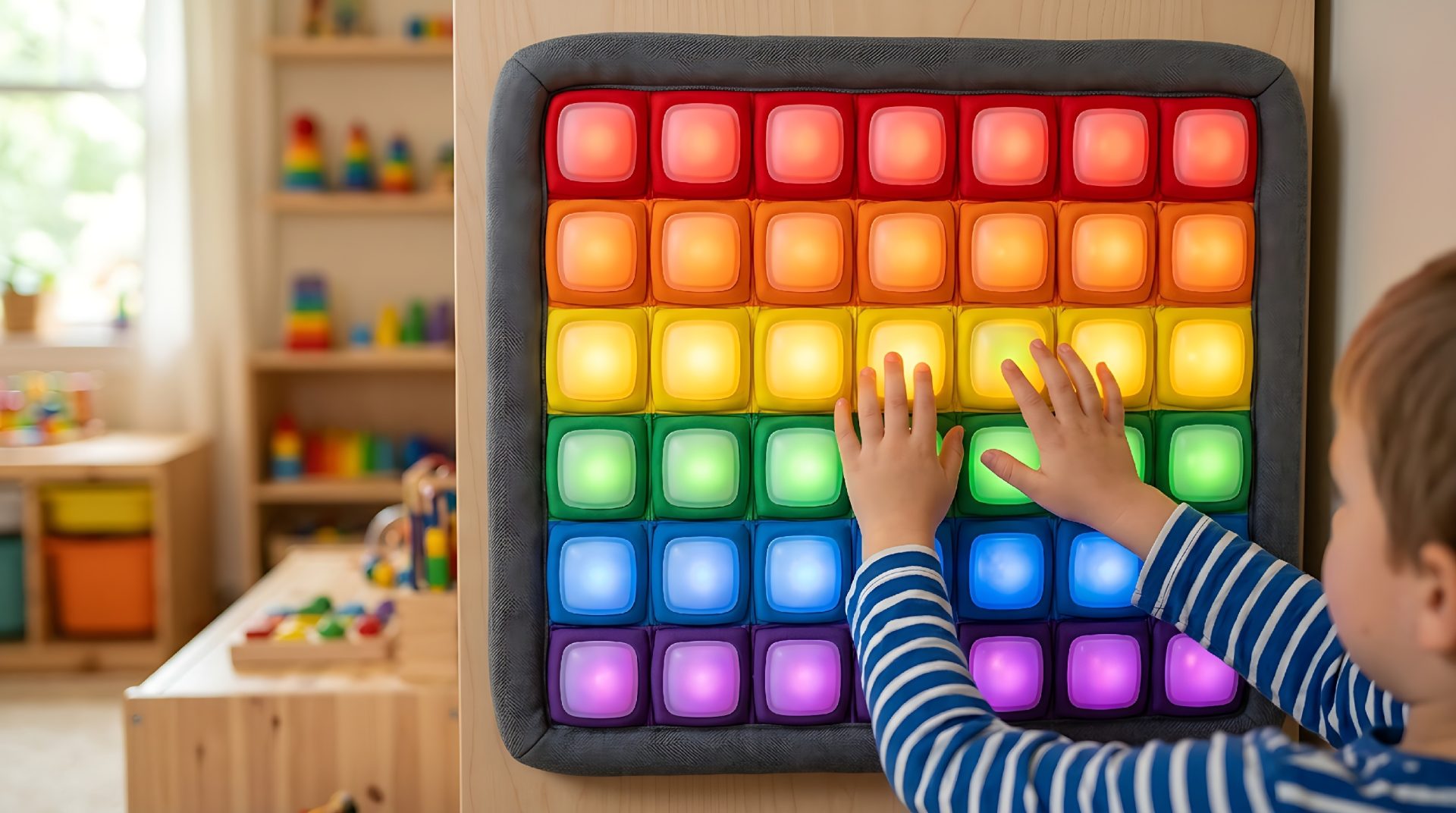
What Does Sensory Overload Look Like?
Sensory overload occurs when sensory information becomes too difficult for a child to manage.
A child may:
- cover their ears or eyes
- try to leave the environment
- become tearful or irritable
- stop responding
- struggle to follow instructions
- become increasingly restless
- withdraw or become quiet
- appear exhausted afterwards
The final trigger is not always the whole cause.
For example, a child may cope throughout a noisy school assembly and then become distressed when asked to put on their coat. The coat may not be the main problem. The child may already have been managing noise, lights, other pupils and the effort of sitting still.
Looking at what happened before the reaction can therefore provide useful clues.
Why Sensory Difficulties Can Look Like ADHD Symptoms
Sensory processing and ADHD can overlap in everyday behaviour.
A child who repeatedly leaves their chair might find movement regulating. A child who appears distracted could be noticing every conversation, movement and background sound. A child who constantly touches objects may be sensory seeking, impulsive or both.
This is one reason individual behaviours should not be considered in isolation.
If difficulties with attention, impulsivity or activity levels are persistent and affecting everyday life, parents can learn more about ASD Child Ltd’s ADHD Assessment service.

How Can Sensory Differences Affect Autistic Children?
For autistic children, sensory differences can influence many parts of daily life, including:
- getting dressed and personal care
- eating and mealtimes
- sleeping
- travelling
- learning and concentrating
- attending school
- social activities
- emotional regulation
One child may struggle with classroom noise, while another seeks movement throughout the day. Another may eat a limited range of foods because certain textures or smells are difficult to tolerate.
Where sensory differences appear alongside persistent differences in communication, social interaction, routines or development, considering the child’s wider developmental profile may be helpful.
ASD Child Ltd provides Autism Assessments for children from the age of two.

What Can Parents Do To Help?
There is no single sensory strategy that works for every child. A useful starting point is to identify patterns.
Observe What Happens Before And After
Consider noting:
- where the child was
- which sensory input was present
- what happened beforehand
- whether they were tired, hungry or anxious
- how they responded
- what appeared to help
Patterns may become easier to recognise over time.
For example, rather than simply noting that a child struggles with shopping, you may notice that difficulties usually begin after spending time in a crowded supermarket with bright lighting and background noise.
Reduce Avoidable Sensory Demands
Small adjustments may make everyday situations easier.
Depending on the child, this could include:
- visiting busy places at quieter times
- removing uncomfortable clothing labels
- reducing unnecessary background noise
- providing access to a calm space
- preparing for unfamiliar environments
- allowing suitable movement breaks
The aim is not to eliminate every challenging sensation, but to make reasonable changes that support participation.
Share Patterns With School
School can involve several sensory demands at the same time.
Sharing known triggers, early signs of overload and strategies that work at home can help staff better understand the child’s needs.
It is also important to remember that children may behave differently across settings. Some appear to cope at school but become overwhelmed after returning home.
Information from both environments can help create a more complete picture.
When Should Parents Seek Professional Advice?
Disliking certain noises, clothes or foods does not automatically indicate a neurodevelopmental condition.
Professional guidance may be helpful when sensory difficulties are persistent and significantly affect areas such as:
- eating or sleep
- personal care
- learning
- school attendance
- emotional wellbeing
- family activities
- safety
Parents may wish to speak with their GP, school SENCO or another appropriately qualified professional.
If sensory differences occur alongside persistent concerns about communication, social interaction, attention, impulsivity, routines or development, a broader neurodevelopmental assessment may also be worth considering.
ASD Child Ltd provides Autism and ADHD assessments that look at the child’s wider developmental profile rather than individual behaviours alone.

Frequently Asked Questions
Are Sensory Issues Always A Sign Of Autism?
No. Sensory differences are common in Autism, but they can also occur in children who are not autistic. Sensory behaviour needs to be considered alongside the child’s wider development.
Can Children With ADHD Have Sensory Difficulties?
Yes. Children with ADHD may experience sensory sensitivity, sensory seeking, avoidance or difficulty registering sensory information.
Can A Child Be Both Sensory Seeking And Sensory Sensitive?
Yes. A child might seek one kind of sensory experience while avoiding another. For example, they may enjoy movement but find loud noises distressing.
Can Sensory Overload Look Like Difficult Behaviour?
Yes. Overload can lead to distress, restlessness, withdrawal or difficulty following instructions. Considering what happened before the behaviour may help identify possible triggers.
Do Sensory Difficulties Mean My Child Needs An Assessment?
Not necessarily. An assessment may be worth exploring when sensory differences occur alongside persistent concerns about development, communication, attention, social interaction or behaviour.
Understanding The Need Behind The Behaviour
Sensory processing differences can make ordinary environments feel very different from one child to another.
What appears to be avoidance, distraction, restlessness or refusal may sometimes be a response to discomfort or sensory overload.
Parents do not need to identify every cause themselves. Observing patterns, listening to the child’s experience where possible and sharing information between home and school can help build a clearer picture.
If sensory difficulties form part of broader concerns about Autism, ADHD or your child’s development, explore ASD Child Ltd’s Autism Assessment or ADHD Assessment services to understand the available next steps.